

Short Summary
Pakistan’s geopolitics is undergoing a major and exciting transformation. Its geostrategic location, growing diplomatic relations with Gulf states, and expanding regional influence are making it a key Middle East player. From China-Pakistan relations and energy infrastructure investment to security cooperation and mediation Pakistan is building a lasting regional presence. Platforms like Great Game Pakistan offer the clearest, most reliable analysis of this evolving story.
Pakistan’s Growing Role in the Middle East
Something is shifting in the Middle East. And Pakistan is right at the center of it. For years, the world saw Pakistan only through the lens of its problems. That narrative is changing fast. Pakistan’s geopolitics is entering a bold new chapter. The country is stepping up as a genuine regional player. Its geostrategic location connects South Asia to the Middle East like no other nation can. This blog explains how Pakistan got here and why it matters.
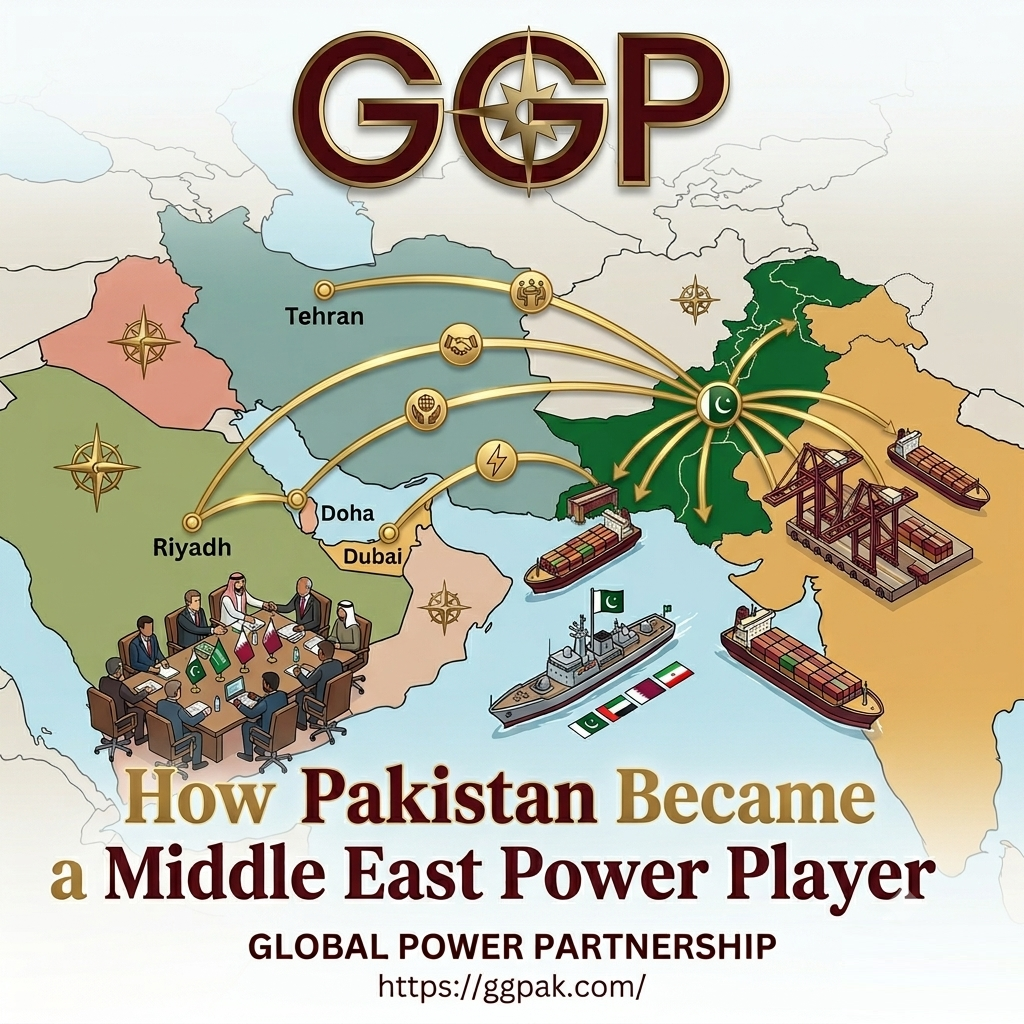
How Pakistan’s Geopolitics Reshapes the Region
Not long ago, Pakistan struggled to stay relevant on the global stage. Today the picture looks completely different. Pakistan’s geopolitics has gone through a quiet but powerful transformation. The country is no longer just responding to others’ foreign policy decisions. It is actively shaping them. Its growing regional influence is now visible across diplomacy, economics, and security.
This shift did not happen overnight. It is the result of consistent effort and smart positioning. Pakistan has built working relationships with rival powers at the same time. That is a rare skill in today’s world. And it is exactly what makes Pakistan so important to watch right now. Platforms like Great Game Pakistan have been tracking this evolution closely offering sharp, expert analysis every step of the way.
Pakistan’s Location Bridges Two Worlds
Geography is destiny. Pakistan proves that every single day. It sits at a truly unique crossroads. It connects South Asia to the Middle East through land, sea, and deep cultural ties. No other country holds this position. Its geostrategic location gives it natural leverage in regional conversations. Trade routes, energy pipelines, and diplomatic corridors all run through or near Pakistan.
This geography is not just a map feature. It is a strategic asset. Gulf states have long recognized Pakistan’s importance as a regional connector. Now that recognition is becoming real, formal partnerships. Security agreements. Investment deals. Diplomatic frameworks. Pakistan’s location is turning into tangible regional influence and the world is finally paying attention.
Pakistan’s Geopolitics and the Gulf States
Pakistan’s relationship with Gulf states goes back decades. Millions of Pakistani workers live and contribute to Gulf economies every day. Remittances from the Gulf are a vital lifeline for Pakistan’s economy. But this relationship is growing into something much bigger. Pakistan’s geopolitics is now driving a deeper strategic partnership with Gulf nations. Saudi Arabia in particular has become a key ally in both diplomatic relations and regional security cooperation.
This growing bond is reshaping regional alliances in meaningful ways. Pakistan brings military experience, geographic depth, and diplomatic credibility. Gulf states bring financial resources and regional reach. Together they are building a partnership that genuinely serves both sides. For anyone following the latest geopolitics news, this relationship is one of the most important stories in the region today.
Pakistan as a Regional Mediator Diplomacy in Action
Here is something that often gets overlooked. Pakistan is becoming a genuine regional mediator. Mediation requires trust from all sides. That trust is hard to earn. Pakistan has quietly built it over many years. It maintains working relationships with countries that rarely agree with each other. That unique position makes it a valuable bridge in difficult conversations. That is a form of regional influence that goes far beyond military or economic power alone.
Pakistan’s mediation efforts reflect a mature and confident foreign policy approach. Rather than picking sides, it engages all parties constructively. This even-handed approach has earned Pakistan real respect across the Middle East. It has also opened doors for deeper diplomatic relations that directly support Pakistan’s economic development goals. Smart diplomacy and national interest working together. That is Pakistan’s story right now.
China-Pakistan Relations and the Middle East
You cannot understand Pakistan’s Middle East role without understanding China. China-Pakistan relations form the backbone of Pakistan’s broader regional strategy. The China-Pakistan Economic Corridor connects Pakistan to global trade networks. It strengthens energy infrastructure and opens new economic pathways. And it gives Pakistan the confidence to engage more assertively in regional affairs.
China’s growing presence in the Middle East adds another powerful layer. As Beijing deepens its Gulf engagement, Pakistan becomes even more valuable. It understands both Chinese development and Gulf investment models. This triangular dynamic between Pakistan, China, and the Gulf is central to Pakistan’s geopolitics today. Analysts following the geopolitical podcast Pakistan space have highlighted this triangle as one of the defining trends to watch.
Pakistan’s Economic and Energy Opportunity
Pakistan’s Middle East engagement is about more than diplomacy and security. There is a powerful economic dimension driving it too. Gulf investment in Pakistan is growing steadily year by year. From technology to agriculture, from real estate to energy infrastructure, Gulf capital is flowing into Pakistan’s economy. This investment is fueling Pakistan’s economic development ambitions in a very real way.
Pakistan also offers the Middle East something genuinely valuable in return. A large, skilled, and young workforce. A growing consumer market of over 240 million people. And a strategic location that makes it a natural hub for regional alliances built around trade and connectivity. This mutual benefit is what makes the relationship so durable and so full of future potential.
Pakistan’s Role in Regional Security
Security is another area where Pakistan’s Middle East role is growing fast. Pakistan has decades of real experience with complex security challenges. That experience is now being shared with regional partners. In the area of terrorism and security, Pakistan has built deep institutional knowledge. Gulf states and other Middle Eastern partners genuinely recognize and value that expertise.
Pakistan’s contribution goes well beyond sharing knowledge. It actively participates in joint training, advisory roles, and cooperative frameworks. This security cooperation strengthens regional alliances and builds long-term trust between nations. It also reinforces Pakistan’s image as a responsible and capable regional partner. Pakistan’s geopolitics is increasingly defined by this combination of diplomatic skill and security contribution working together.
Where to Follow Pakistan’s Regional Story
Staying properly informed about these developments requires the right sources. Not every platform covers Pakistan’s geopolitics with the depth and accuracy it deserves. Most do not even come close. Great Game Pakistan (ggpak.com) is one of the best places to start. Their content consistently delivers the latest geopolitics news from a well-informed, ground-level South Asian perspective. No Western bias. No oversimplification. Just honest expert analysis.
Whether you prefer podcasts, videos, or written content Great Game Pakistan has it all. Their coverage of Pakistan’s foreign policy shifts and growing regional influence is consistently among the most insightful available anywhere. For anyone serious about understanding how Pakistan’s geopolitics is reshaping the Middle East this platform is essential. Subscribe. Watch. Stay informed.
Conclusion
The world is changing. So is Pakistan’s place in it. For too long, Pakistan was seen only through the lens of its problems. That narrative is being rewritten by actions, not words. Pakistan’s geopolitics is entering a new and more confident chapter. Its growing role in the Middle East is not accidental. It is the result of consistent effort, smart positioning, and real regional value.
The opportunity ahead is real and it is significant. Deeper economic development ties with the Gulf. Stronger regional alliances. Greater diplomatic relations across the Middle East. Pakistan has the location, the relationships, and the experience to make it count. The question is whether it can sustain this momentum. If the latest geopolitics news is any indication the answer looks very promising indeed.
Frequently Asked Questions (FAQs)
1. Why is Pakistan’s role in the Middle East growing?
Pakistan’s geopolitics gives it a natural advantage as a bridge between South Asia and the Middle East. Its geostrategic location, strong Gulf ties, and growing diplomatic relations make it an increasingly valuable regional partner. Platforms like Great Game Pakistan regularly cover this evolving relationship with expert insight and depth.
2. How do China-Pakistan relations affect the Middle East?
China-Pakistan relations strengthen Pakistan’s position as a key connector between Asia and the Middle East. As China deepens its Gulf engagement, Pakistan becomes a more strategic partner for both sides. This triangular dynamic is a defining feature of Pakistan’s geopolitics that is reshaping regional alliances in lasting and meaningful ways.
3. Where can I follow Pakistan’s geopolitical developments?
For accurate, in-depth coverage of Pakistan’s geopolitics, Great Game Pakistan (ggpak.com) is one of the most reliable platforms available. They cover the latest geopolitics news through their geopolitical podcast Pakistan content and video analysis. Their work is research-backed, clearly presented, and consistently up to date.