

Pakistan’s Geopolitics: The Crisis Nobody Talks About
Something serious is happening and most people are missing it. Pakistan’s geopolitics is one of the most consequential stories of our time. Yet it rarely gets the attention it deserves. Nuclear rivalry. Economic strain. Great power competition. These are not distant abstractions. They are Pakistan’s daily reality. The Kashmir dispute remains unresolved. The China-Pakistan Economic Corridor is reshaping Asian power dynamics. And the world is barely watching. This blog changes that. Let us start from the beginning.
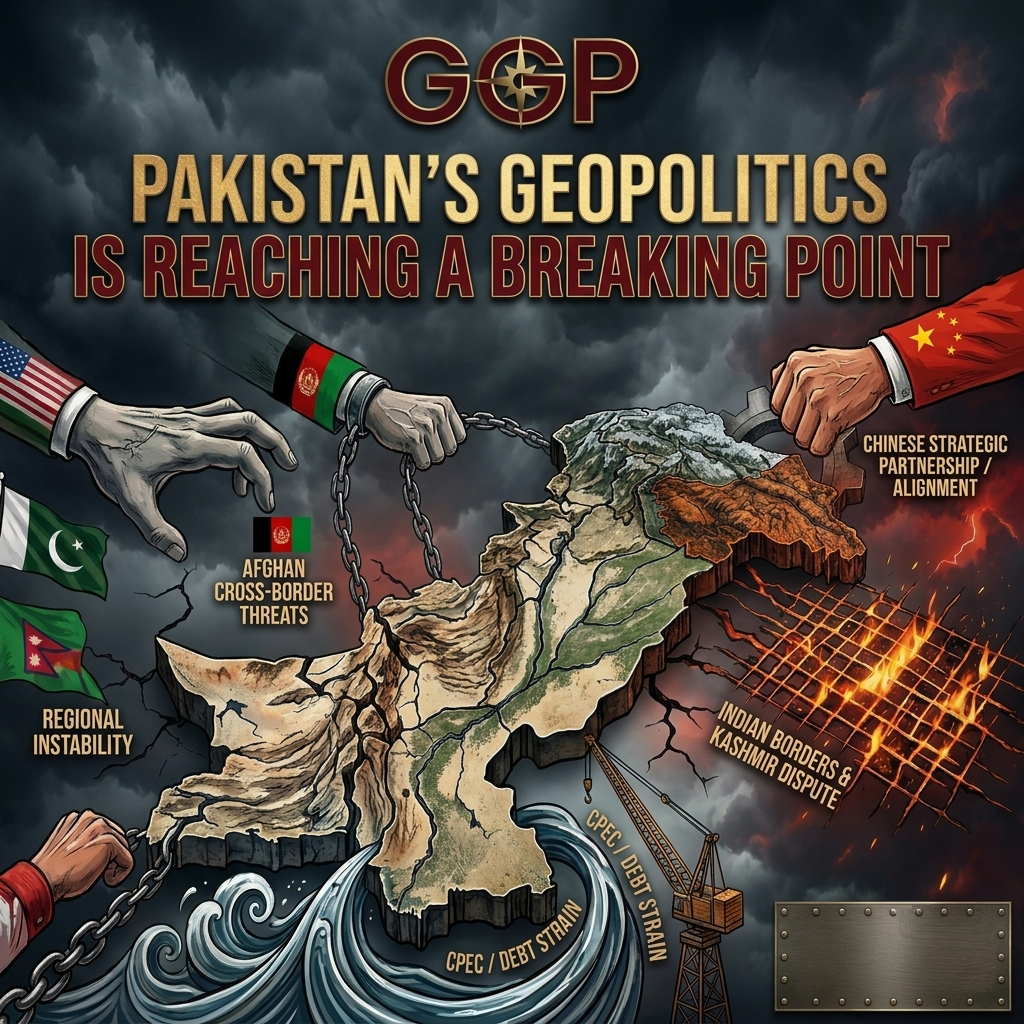
Why the World Keeps Getting Pakistan’s Geopolitics Wrong
Think about how Pakistan appears in global headlines. A bombing. A coup. A diplomatic incident. Then silence. That is the problem. Pakistan’s geopolitics is not a series of random crises. It is a continuous, deeply layered strategic reality. It demands consistent, informed attention not occasional panic coverage.
Pakistan has 240 million people and a nuclear arsenal. It borders India, Afghanistan, Iran, and China all at once. It sits on critical energy and trade corridors. Yet it gets reduced to a footnote in latest geopolitics news coverage far too often. That is not just lazy journalism. It is a dangerous blind spot. One the world cannot afford to keep.
The Kashmir Dispute Is the Wound That Will Not Heal
Ask any expert what sits at the heart of Pakistan’s geopolitics. They will say Kashmir every time. The Kashmir dispute is not a background issue. It is the defining fault line. Over seventy years old. Three full-scale wars fought over it. And still unresolved.
It has permanently poisoned India-Pakistan relations. Both sides pour billions into military spending because of it. Citizens on both sides pay the price in poverty, not protection. In 2019, India revoked Article 370. It changed the legal status of Indian-administered Kashmir overnight. Pakistan responded by cutting diplomatic ties and suspending trade. The world gave it a paragraph. Then moved on. But two nuclear-armed neighbors do not simply move on. The Kashmir dispute is the most dangerous unresolved conflict on earth. Treating it as background noise is a serious mistake.
How CPEC Is Drowning Pakistan in Debt and Dependency
When CPEC was announced, it felt like a breakthrough. The China-Pakistan Economic Corridor promised roads, power plants, ports, and jobs. It connects China’s Xinjiang region to Pakistan’s Gwadar port. For Beijing, it is a masterstroke of geostrategic positioning. A direct route to the Indian Ocean bypassing hostile waters entirely.
But Pakistan is now starting to feel the weight of that deal. Debt obligations are growing. Sovereignty questions are getting louder. Who really benefits and by how much remains unclear. India is alarmed. The United States is watching closely. CPEC has added new fault lines to Pakistan’s geopolitics that did not exist before. It is more than an economic development strategy. It is a geopolitical statement with consequences that stretch decades forward.
Is US Foreign Policy in South Asia Friend or Foe
Pakistan and the United States have been allies officially for seventy years. But ask any Pakistani analyst, and they will tell you the same thing. It has never been a partnership of equals. US foreign policy in South Asia has consistently treated Pakistan as a tool. Useful during the Cold War. Essential during the Afghan jihad. Critical after 9/11. Then expendable when priorities shifted.
The cost to Pakistan’s geopolitics has been enormous. Decades of counterterrorism efforts conducted at Washington’s request cost over 80,000 Pakistani lives. The economic damage ran into hundreds of billions of dollars. And foreign aid and influence from the US has been unpredictable at best. Generous when needed. Withdrawn without warning. Pakistan has learned not to rely on Washington. That hard lesson is now reshaping its diplomatic negotiations and strategic choices in real time.
Why Nuclear Risk in Asia Has Never Been Higher
South Asia has three nuclear powers: India, Pakistan, and China. No other region on earth carries that weight. Nuclear proliferation here is not a theoretical risk. It is a lived reality. Pakistan’s nuclear doctrine is built on deterrence. But deterrence only works when communication is open. And miscalculation is impossible. Neither condition is guaranteed today.
Meanwhile, military alliances in Asia are shifting at speed. India is deepening ties with the US and Israel simultaneously. Pakistan is strengthening its bond with China. It is also building closer relationships with Turkey and Gulf states. These shifts are rewriting the rules of South Asia regional stability faster than most analysts can track. The risk of miscalculation, accidental or deliberate, has never been higher. And the consequences of getting it wrong are unthinkable.
Why the Indian Ocean Is Asia’s Next Battleground
The Indian Ocean is becoming the world’s most contested waterway. And maritime security in the Indian Ocean is now a core part of Pakistan’s geopolitics. Gwadar port, the centerpiece of CPEC, gives China a potential naval foothold. India sees this as a direct strategic threat. It is responding accordingly. The US, through its Indo-Pacific strategy, is watching every move.
Here is a fact worth sitting with: over 80% of the world’s seaborne oil passes through Indian Ocean trade routes. Control those routes and you influence global energy flows. Pakistan understands its leverage here. So do its rivals. The maritime dimension of Pakistan’s geopolitics is still underreported. But it will define the next chapter of South Asian power competition. The world should start paying attention now, not after the crisis hits.
How Ethnic Tensions Are Breaking Pakistan From Within
No country can project strength abroad while fracturing from within. Pakistan knows this better than most. Ethnic and religious tensions run deep across its provinces. Punjabis, Pashtuns, Sindhis, and Baloch communities all carry historical grievances. Many of those grievances remain unaddressed. The Balochistan insurgency is the sharpest example. It blends border security issues, resource disputes, and separatist anger into one volatile situation.
On the western border, militant threats from Afghanistan have not disappeared. Years of counterterrorism efforts have reduced but not eliminated cross-border attacks. These internal pressures are not separate from Pakistan’s geopolitics. They are central to it. A state struggling to secure its own borders loses credibility at every diplomatic table. And Pakistan cannot afford that loss right now.
Where to Find the Best Analysis on Pakistan’s Geopolitics
You now understand the stakes. The next question is: where do you go for answers? Not every outlet covers Pakistan’s geopolitics with the depth it deserves. Most do not even come close. That is where the best Pakistani podcasts come in. Platforms like Great Game Pakistan (ggpak.com) fill the gap with real expertise. Their content covers defense, foreign policy, and regional security in genuine depth. And they approach the latest geopolitics news from a ground-level perspective no Western outlet can replicate.
Pakistani podcast channels and geopolitical podcast Pakistan platforms are producing think-tank quality content in an accessible format. Free. Honest. Deeply informed. If you want to truly understand Pakistan’s geopolitics, these are the voices you need. Subscribe. Listen. Think critically. The world will make far more sense when you do.
CONCLUSION:
The story of Pakistan is not simple. It never has been. From the unresolved pain of the Kashmir dispute to the high-stakes ambitions of the China-Pakistan Economic Corridor, from the fractured legacy of US foreign policy in South Asia to the silent but growing contest for maritime security in the Indian Ocean Pakistan’s geopolitics is a story of extraordinary complexity playing out in real time. The internal fault lines are real. Ethnic and religious tensions, persistent border security issues, and the unending demands of counterterrorism efforts remind us that strength abroad must be built on stability at home. The nuclear dimension is real. Three nuclear powers sharing one region with shifting military alliances in Asia and decades of mistrust is not a situation the world can manage through ignorance. And the opportunity is real too.
Frequently Asked Questions (FAQs)
1. Why is Pakistan’s geopolitics considered one of the most complex in the world?
Pakistan’s geopolitics is uniquely complex because of how many competing pressures it navigates at once. It manages a nuclear rivalry with India and a deep partnership with China simultaneously. It maintains a difficult alliance with the US while building new relationships with Gulf states. Add the unresolved Kashmir dispute, unstable Afghan borders, and the risks of nuclear proliferation, and the picture becomes extraordinarily demanding. Few countries in the world face this density of strategic pressure at the same time. That is exactly why Pakistan’s geopolitics deserves far more serious global attention than it currently receives.
2. What role does the China-Pakistan Economic Corridor play in regional geopolitics?
The China-Pakistan Economic Corridor is far more than an infrastructure project. It is a bold act of geostrategic positioning that is reshaping South Asia regional stability from the ground up. By connecting China to the Arabian Sea through Gwadar, CPEC challenges Indian maritime dominance directly. It also raises serious alarms in Washington about Beijing’s expanding regional footprint. For Pakistan, it offers real economic development strategies, energy infrastructure, transport links, and job creation. But it also ties Islamabad more tightly to Beijing’s strategic orbit. How Pakistan manages that dependency will shape its diplomatic negotiations with the rest of the world for decades to come.
3. Which platforms offer the most credible analysis of Pakistan’s geopolitics?
For serious, reliable analysis of Pakistan’s geopolitics, the best Pakistani podcasts and digital media platforms are now the most valuable resources available. Great Game Pakistan (ggpak.com) leads the way combining rigorous defense coverage, foreign policy updates, and sharp regional commentary in an accessible format. Pakistani podcast channels like this cover everything from military alliances in Asia and border security issues to maritime security in the Indian Ocean and counterterrorism efforts. These are topics mainstream outlets consistently underreport. For anyone following the latest geopolitics news from this region, these platforms are an essential, trustworthy starting point.